The Jerusalem Jewish Film Festival will take place from December 5 – 10, 2026. Now in its 28th edition, the festival will feature over 40 films from 15 countries, presenting contemporary perspectives on Jewish identity, history, and culture. The program will also feature talks, workshops, lectures, panel discussions, and special events. Tickets for the opening event are available on the festival website, tickets for all other screenings will go on sale Sunday, November 22, 2026. See the full program here:
International Competition
Visitation – Opening Film
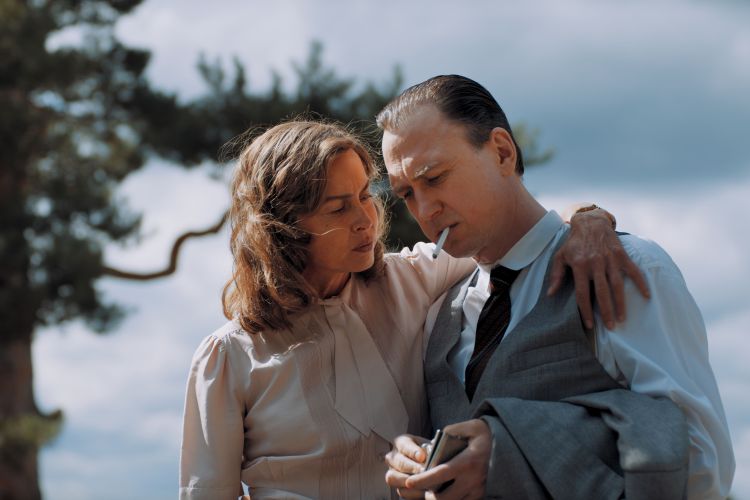
Director: Volker Schlöndorff
On the shores of a lake near Berlin stands a charming little home, surrounded by lush greenery and a magical path leading down to the water. Over the decades, its walls and garden bear witness to the sweeping history of Germany and the world: from the German architect who builds the home for his family, to the Jewish neighbors forced to flee, and finally, to new residents arriving from a wounded yet recovering land, bringing with them the hopes for a better future. In his latest film, which premiered at the Cannes Film Festival, Volker Schlöndorff (The Tin Drum) creates a richly layered world spanning generations, weaving together memories, struggles, love, pain, and a world in constant transformation.
Opening Film: December 5, 20:00; an additional screening of the film, followed by a conversation with the director, will take place on Sunday, December 6, at 17:00. Post-screening conversation to be moderated by Benjamin Tovias, film critic for Yedioth Ahronoth and Ynet.
Woman Unknown

Director: May el-Toukhy
Marie, a young nanny and housemaid, is about to marry the wealthy older widower, Christian, for whom she is working. But Marie guards a shameful secret. During World War II, she was in an intimate relationship with a German soldier. Now Marie’s past threatens to catch up with her, and she is forced to do everything in her power to preserve her new status as lady of the house in post-war anarchy. Winner of the Golden Lion for Best Film and Arcel Volpi Cup for Best Actress at the 2026 Venice Film Festival.
Think Good
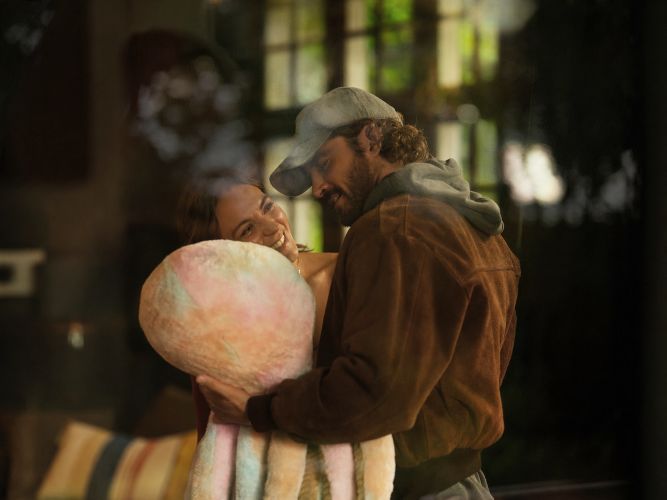
Director: Géraldine Nakache
When Gil meets Jacques, their love is immediate and undeniable. But the intensity of their early days gives way to a relationship in which Gil feels increasingly trapped and begins to lose her bearings. Jacques reassures her that if she thinks positively, only good things will come her way. Little by little, Gil comes to recognize the control he exerts over her life. “With Think Good, I wanted to expose the quiet, concealed violence between partners and how it manifests in the intimacy of daily life. As a woman and filmmaker, I felt the need to reveal the web of control that traps women in these relationships, and to make the audience experience my character’s growing doubt…to look beneath the surface and unravel, like in a thriller, the mechanisms of the trap closing in on her” (Géraldine Nakache). Festival de Cannes, Official Selection.
Women on Trial
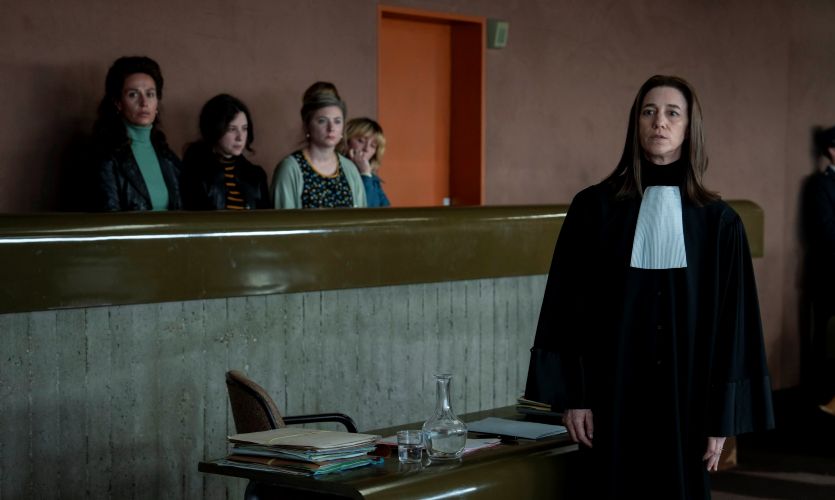
Directors: Lauriane Escaffre, Yvo Muller
1972. A landmark trial shakes France as young Marie-Claire is prosecuted for having an illegal abortion with the help of her mother and two other defendants. In a courtroom governed by men, the verdict seems inevitable: prison for the women, while the rapist goes unpunished. Their last hope lies with Gisèle Halimi, a fearless lawyer known for openly challenging patriarchy and confronting the system that condemns victims and lets perpetrators walk free. Alongside the accused, Gisèle will not only change their fate, but, against all odds, transform the condition of women forever. Festival de Cannes, Official Selection.
Vita Mia
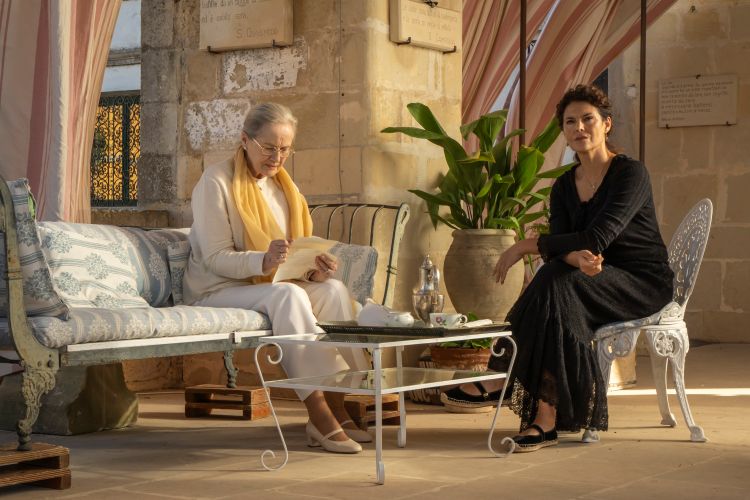
Director: Edoardo Winspeare
Didi, an elderly noblewoman, retires to a small village in Apulia, where Parkinson’s disease forces her to rely on Vita, a strong-willed woman of humble origins. Despite their different social and cultural backgrounds, mutual respect grows into a deep friendship. As Didi struggles with the decline of her aristocratic family and hallucinations caused by her illness, memories of the Nazi regime, the Shoah, and the guilt of survival resurface. Through her bond with Vita, Didi finds peace and, ultimately, a glimpse of happiness. Featuring an outstanding performance by Cannes Best Actress Award winner Dominique Sanda (The Inheritance, The Garden of the Finzi-Continis, Conformist, 1900, The Crimson Rivers).
Rosenthal: The Great Showman
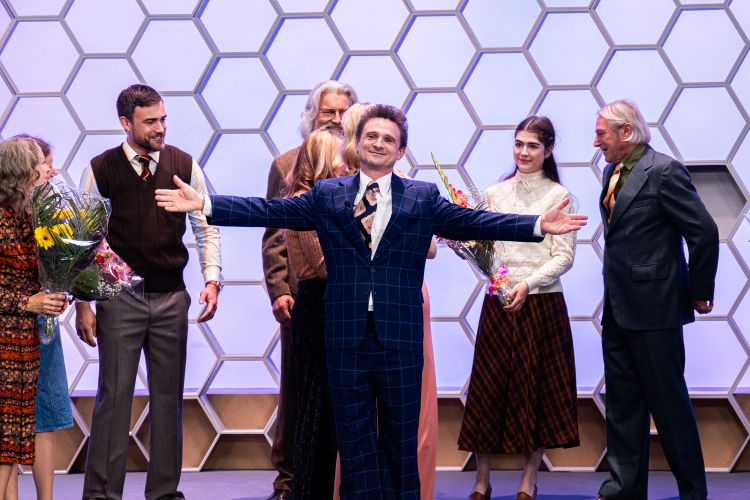
Director: Oliver Haffner
Germany, 1978. Hans Rosenthal is the country’s most popular TV presenter, and, what few people know: He is Jewish and a Holocaust survivor. The 75th edition of his beloved live game show is about to be broadcast, but the celebratory mood is dampened by the air date: November 9. Exactly 40 years after the Nazi pogrom against the Jewish population, Hans is expected to entertain and distract an audience of millions with his harmless TV show, rather than attend the first official German memorial for the victims. Hans finds himself in a moral dilemma: Has the Jewish showman become himself a henchman of repression? Or will he find the strength to address his family trauma?
I Is Another
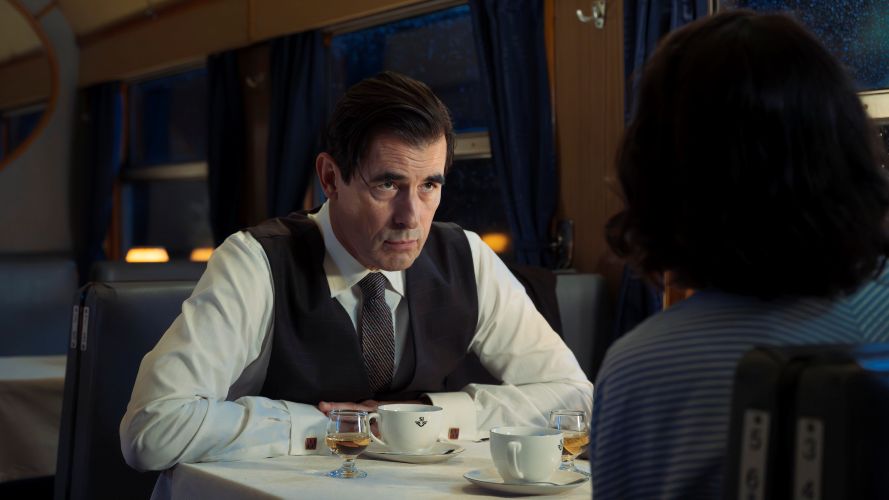
Director: Felix Randau
Autumn, 1952. Determined journalist Hedda and her husband, Winfried, ambush Felix Kersten, former massage therapist to SS Reich Leader Himmler, aboard a train bound for Oslo. Kersten is said to have helped thousands of concentration camp prisoners escape during the Nazi era, at least according to his own account. But Hedda has her doubts. She sees Kersten as a mythmaker, using fabricated heroic deeds to position himself as a candidate for the Nobel Peace Prize. What begins as an interview develops into a tense psychological game of cat and mouse. Kersten, rhetorically brilliant and armed with purported evidence, faces a stubborn opponent who relentlessly confronts him with contradictions. As the confrontation reaches its climax, the announcement of the Nobel Peace Prize winner draws ever closer…
Forsaken
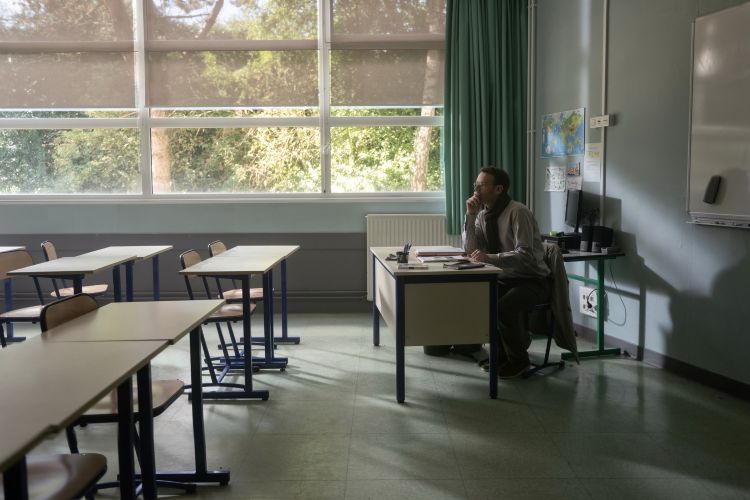
Director: Vincent Garenq
The murder of Samuel Paty shocked France, but few know the full story behind his death. A few years after the Charlie Hebdo attack, Paty, a history and geography teacher at a suburban Paris school, leads a classroom discussion on freedom of expression. A false accusation, fuelled by outrage and amplified online, triggers a chain of events that spirals beyond control. On October 16, 2020, Paty is murdered outside his school. Drawing on the investigation and subsequent legal proceedings, this gripping drama retraces the eleven days leading up to his death. Starring Antoine Reinartz (Beats Per Minute, Anatomy of a Fall), Forsaken premiered at the 2026 Cannes Film Festival. This gripping drama examines the institutional failures, online misinformation, and how a rumor, a click, and collective inaction can lead to irreversible consequences.
Wild, Wild East
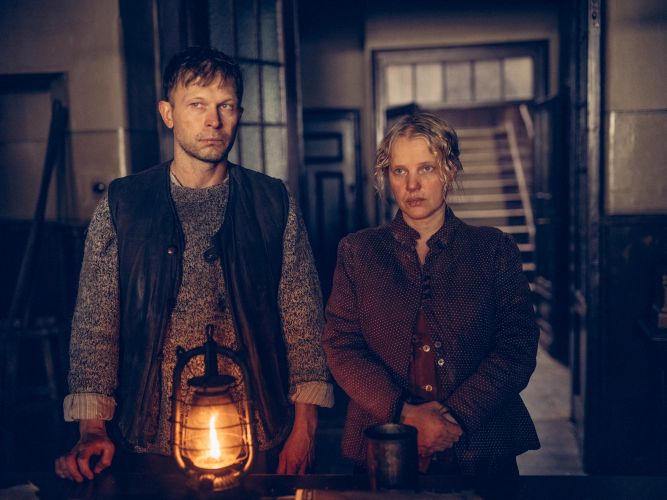
Director: Jan Holoubek
February 1943. Małe Zalesie, a small town in the eastern borderlands of the General Government in occupied Poland. German officials, opportunistic locals, and fearful villagers cling to a fragile balance of silence and stolen life. A lone rider arrives: Martin Wolff, a German official sent from Berlin to recover important documents once held by Levi, a wealthy local Jew. But in truth, Wolff is hunting for a hidden treasure that Levi allegedly entrusted to his lawyer just before fleeing Poland. As secrets surface, identities unravel, and loyalties shift, the town becomes a stage for betrayal and survival. Yet Wolff himself conceals a truth more dangerous than the gold he seeks…. “My aim in Wild, Wild East was not to judge these characters or their choices, but to give a voice to people facing an extreme situation. As Philip Roth wrote, ‘Here is the truth, and there is the truth.’ This idea of multiple truths lies at the heart of the film” (Jan Holoubek, director).
I Want to Tell My Story
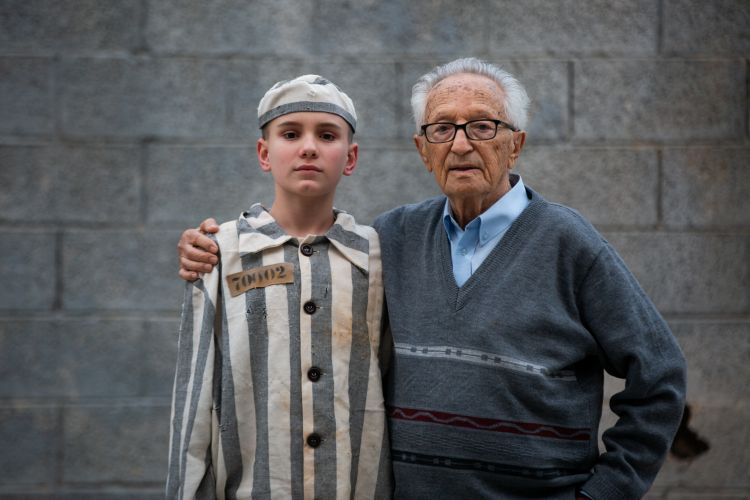
Director: Tomer Heymann
Shimon Rothschild knows exactly where everyone should stand on set: the cinematographer, the set design, the actors playing the members of his family who perished in the Holocaust. On the eve of his 100th birthday, Shimon recreates his life story together with director Tomer Heymann: the chain of coincidences that saved him from the gas chambers of Auschwitz, the brutal medical experiments he endured at Sachsenhausen, the death march, and his life after the war. In a specially constructed studio, and with actors portraying figures from his past, Shimon moves through thespace, giving instructions with unwavering determination and a unique sense of humor, while exploring the boundaries between memory and reconstruction.
Following the screening on 6.12: Conversation with filmmaker Tomer Heymann and Shimon Rothschild.
Documentary Films
Along the River
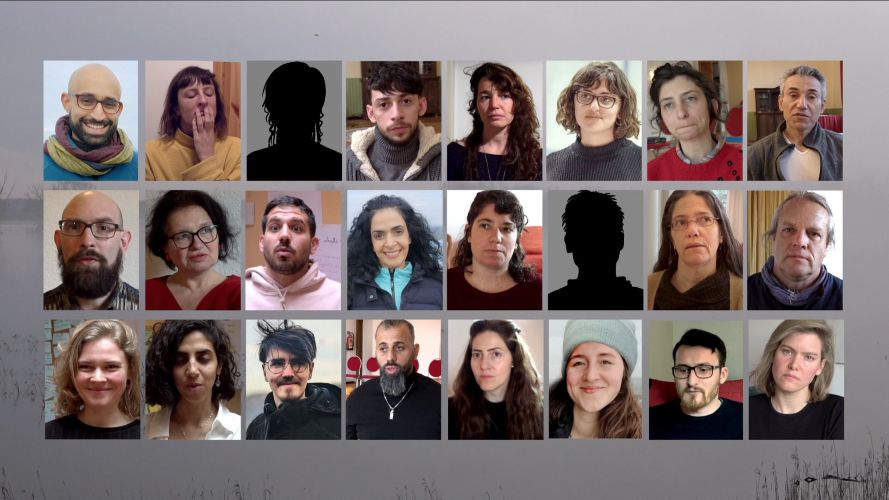
Director: Gerburg Rohde-Dahl
Four months after the October 7, 2023, Hamas attack on Israel, and amid the ongoing war in Gaza, Israelis and Palestinians, along with German participants, gather in Germany for a nine-day dialogue seminar. The film follows their difficult attempts to confront trauma, grief, and rage while listening to the suffering of the Other. Filmed during breaks between sessions, Gerburg Rohde-Dahl’s documentary captures moments of empathy and compassion. Through listening and shared vulnerability, they begin to recognize a common humanity and the possibility of coexistence based on mutual respect.
Dust Bowls and Jewish Souls: Another Side of Woody Guthrie

Director: Steven Pressman
Iconic songwriter and folk singer Woody Guthrie left an indelible mark on American music, inspiring artists like Bruce Springsteen and Bob Dylan and giving America the enduring anthem, “This land is your land, this land is my land.” But Guthrie’s story extends far beyond the Oklahoma Dust Bowl. When he arrived in 1940s to New York City, he encountered a vibrant Jewish culture that profoundly influenced his life and music. Dust Bowls and Jewish Souls also tells the story of Aliza Greenblatt, a Ukrainian immigrant who became a prominent Yiddish poet and songwriter—and Guthrie’s mother-in-law.
Following the screening on 7.12: conversation with filmmaker Steven Pressman and Susan Engel, Executive Director of the world-renowned 92nd Street Y Talks.
Splendors and Miseries of the Camondo Family
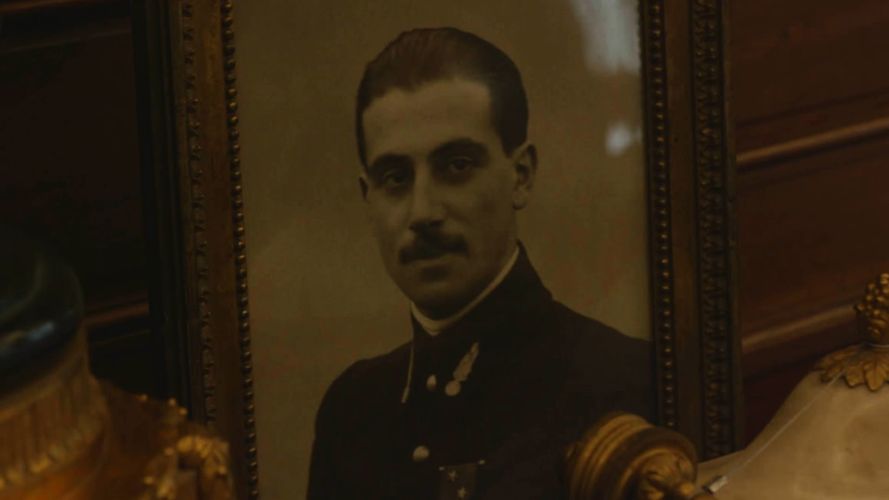
Director: Ruth Zylberman
The Splendors and Miseries of the House of Camondo traces the remarkable story of the Camondo family, known as the “Rothschilds of the East.” Originally Ottoman Jewish bankers in nineteenth-century Constantinople, they built a vast financial empire before settling in France, where they became distinguished art collectors, patrons, and philanthropists. Their journey spans the elegance of Belle Époque Paris, the upheaval of the First World War, and the tragedy of the Holocaust, culminating in the deportation and murder of family members at Auschwitz-Birkenau. Today, their extraordinary art collections, bequeathed to France, stand as a poignant legacy of a family whose history embodies both splendor and sorrow.
Before the screening on 6.12: Introduction by Shlomit Steinberg, Senior Curator of European Art, Israel Museum
Autobiography of a Lost Youth: The Last Generation of Yiddishland
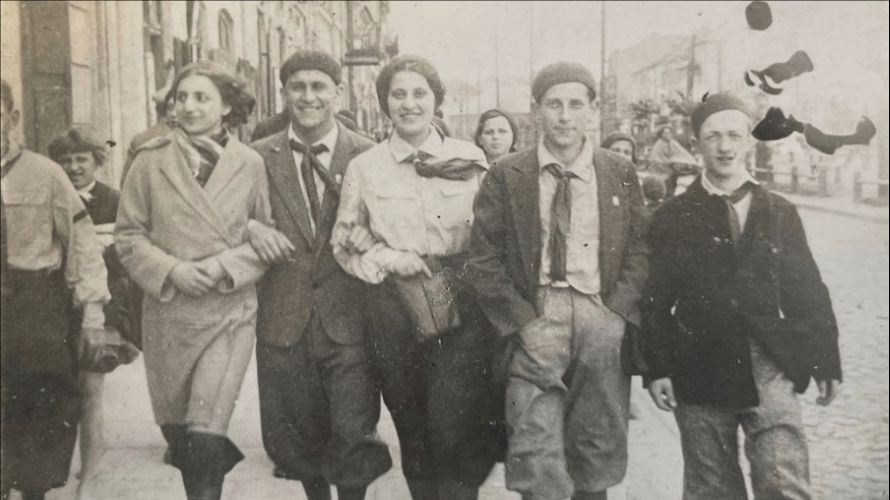
Episode 1: A Youth in the Yiddishland – An Age of Possibilities
Director: Jonathan Hayoun
In 2017, 180,000 pages of Yiddish texts, hidden by the Paper Brigade for 80 years, resurfaced in an abandoned church in Vilnius. Among them were 350 autobiographies written by young Jews aged 16 to 22, encouraged by YIVO to write openly about themselves as part of a competition held in 1932, 1934, and 1939. Through a polyphonic narrative blending their words with archival footage, family home movies, and Yiddish cinema, Autobiography of a Lost Youth revives the voices of a vanished world, revealing the concerns, inner conflicts, and dreams of Yiddishland’s last generation of teenagers.
Following the screening, conversation with filmmaker Jonathan Hayoun and Dr. Yael Levi, Head, The Program of Yiddish Language, Literature, and Culture, The Hebrew University of Jerusalem
Poland Vs. History
Director: Joanna Grudzinska
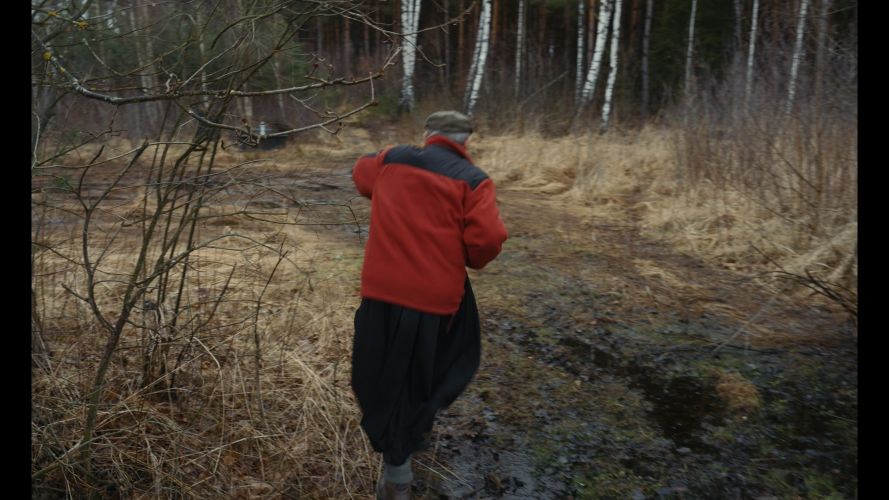
The 1941 Jedwabne pogrom was a long-standing blank spot in Polish history. Gross’s 2001 book Neighbors sparked a debate on Polish-Jewish relations during the German occupation, challenging the narrative that Germans had perpetrated the massacre and exposing the role of local Poles. His work prompted further research into antisemitic violence, including the pogroms in Radziłów and post-war Kielce in 1946. The film explores how these revelations challenged historical myths, divided Polish society, and fueled political struggles over national memory and identity, showing that antisemitism is more deeply rooted in Polish society than the country’s conservative elite are willing to admit.
Portraits
Theodor Herzl: The Man Behind Israel
Directors: Dominic Howlett, James Joel Dann
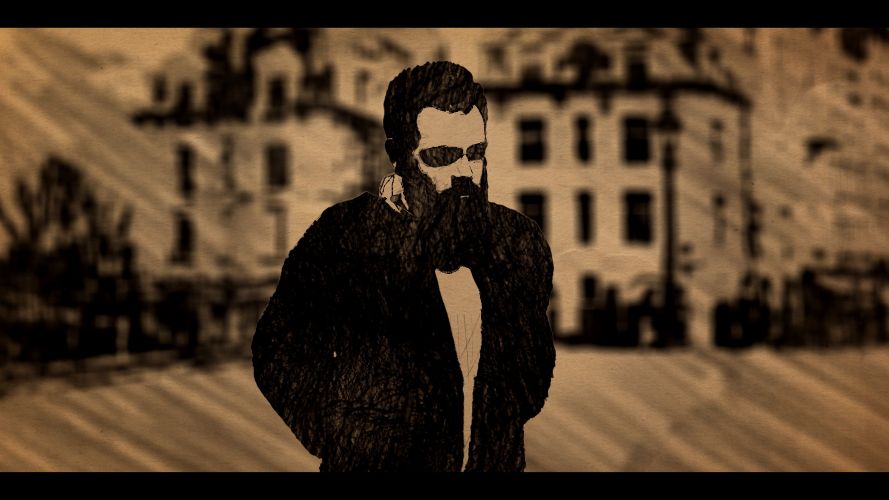
A bold, timely documentary exploring the visionary, conflicted, and ultimately tragic life of Theodor Herzl, the man who imagined a Jewish homeland long before it became reality. More than a biography, Theodor Herzl: The Man Behind Israel offers a nuanced look at the origins of modern Zionism and its enduring human consequences. Presented by David Baddiel and featuring the voice of Stephen Fry, the film explores a history that continues to shape lives today and feels more relevant than ever. “It’s not a political film, but a human story of vision, sacrifice, and persistence—one that new generations must understand. Herzl gave everything for an idea, and more than ever, people should know who he was.” — Sir Bernard Zissman, Producer
In the presence of the film’s producer, Sir Bernard Zissman.
A World Gone Mad – The War Diaries of Astrid Lindgren
Director: Wilfried Hauke
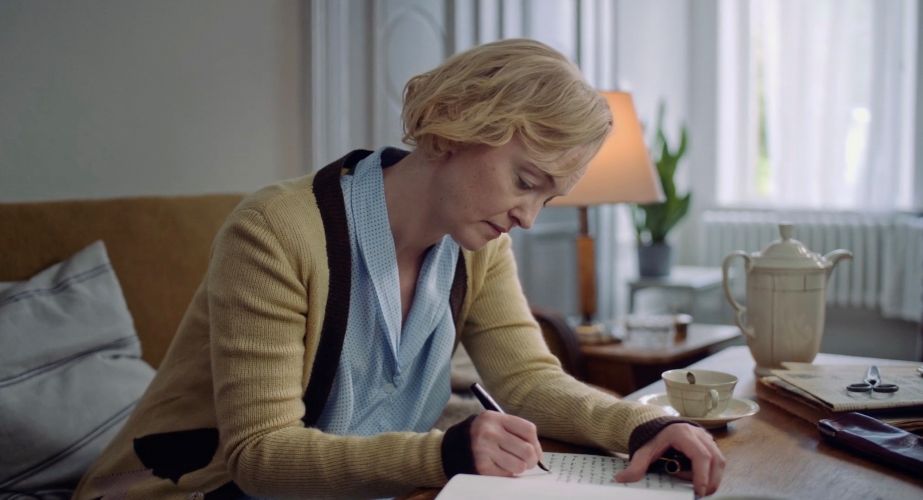
Pippi Longstocking has been translated into 70 languages and sold more than 60 million copies, making Astrid Lindgren one of the world’s most beloved authors. But before creating Pippi, Lindgren was a young writer in 1930s Stockholm. On September 1, 1939, as World War II began, she started a diary that became her companion through the dark years of war. A World Gone Mad draws on these diaries, along with documentary footage, dramatic reconstructions, and conversations with her descendants, to reveal the woman behind the legend. The film explores Lindgren’s formative years, her private life, and the experiences that shaped her as a writer, and ultimately led to the creation of Pippi Longstocking.
Anton Chekhov and Isaak Levitan: A Double Portrait in the Interior of the Age
Director: Galina Evtushenko
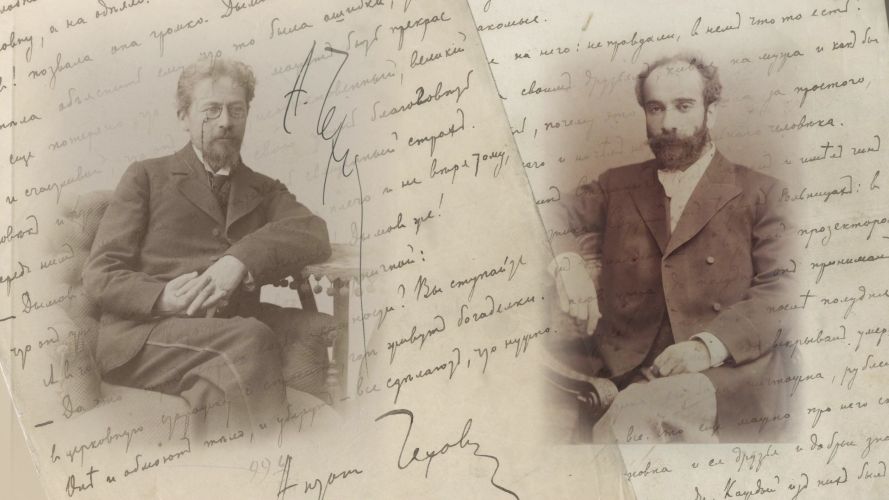
A documentary portrait of two great Russian artists, Anton Chekhov and Isaak Levitan. Rather than simply recounting the story of their friendship, it explores the affinities between their creative endeavors and the interplay of their similar yet distinct personalities. Eschewing an idealized portrait, the film presents the complexities and contradictions of both artists, situating their lives and work within the historical context of their time. It reveals not only the subtle qualities that distinguish each artist but also the profound connections between them. The interplay of their creative approaches and the relationship between their artistic visions lie at the heart of the film.
Conversation with filmmaker Galina Evtushenko following the screening.
Bruno – The Young Kreisky
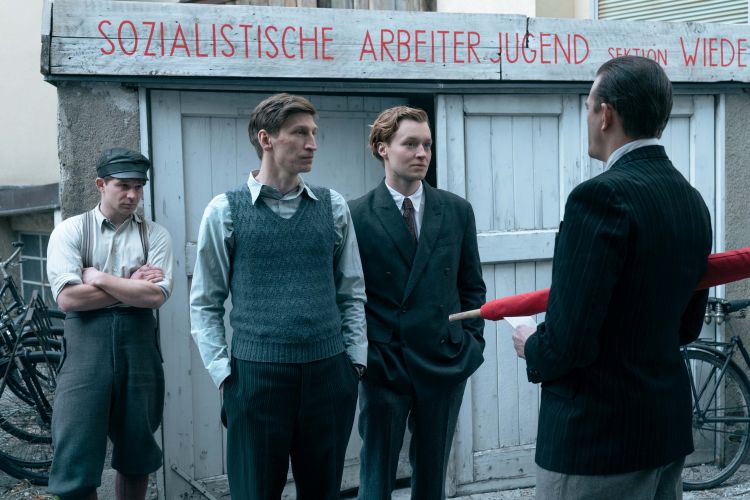
Director: Harald Sicheritz
Vienna in the late 1920s: As a schoolboy from a wealthy Jewish family, Bruno Kreisky is accepted into the Socialist Workers’ Youth only reluctantly. As political tensions escalate across the country, Bruno and his fellow young activists risk everything. Together, they organize clandestine meetings, distribute calls for resistance, and stand up to the fascist regime. In doing so, they put not only their freedom but also their lives at risk. Steadfast in his convictions and determined to follow his own path, Bruno embarks on a journey from youthful rebel to social-democratic statesman on the world stage.
Emerging Through the Shadows – Rediscovering the Legacies of Weinberg and Korngold
Director: Veronika Emily Pohl
How do artists keep creating in the darkest of times? Emerging from the Shadows explores the intertwined lives of two Jewish composers, Mieczysław Weinberg, born in Warsaw, and Erich Wolfgang Korngold, born in Vienna. Forced to flee Nazi persecution during World War II, Weinberg found refuge in the Soviet Union and settled in Moscow, while Korngold emigrated to the United States, where he became a celebrated Hollywood film composer. This documentary follows four-time GRAMMY®-nominated conductor Constantine Orbelian, chief conductor of the Kaunas City Symphony Orchestra, and Israel-based cellist Kristina Reiko Cooper as they record the composers’ cello concertos, bringing their music to new audiences and celebrating the enduring power of artistic resilience and cultural rediscovery.
Opening remarks by cellist Kristina Reiko Cooper.
Israeli Cinema
Haredi Women’s Cinema | Ma’aleh Ultra-Orthodox Track | 5787 (2026)
The Ma’aleh Film School Ultra-Orthodox track presents the films of the tenth graduating women’s class – a unique glimpse at the female ultra-Orthodox world and beyond.
The Israeli Short Film Competition, in Memory of Bnaya Zuckerman.
This year, the Tobias Szpencer Short Film Award will be presented as part of the Short Film Competition.
The Spirit of Monastir
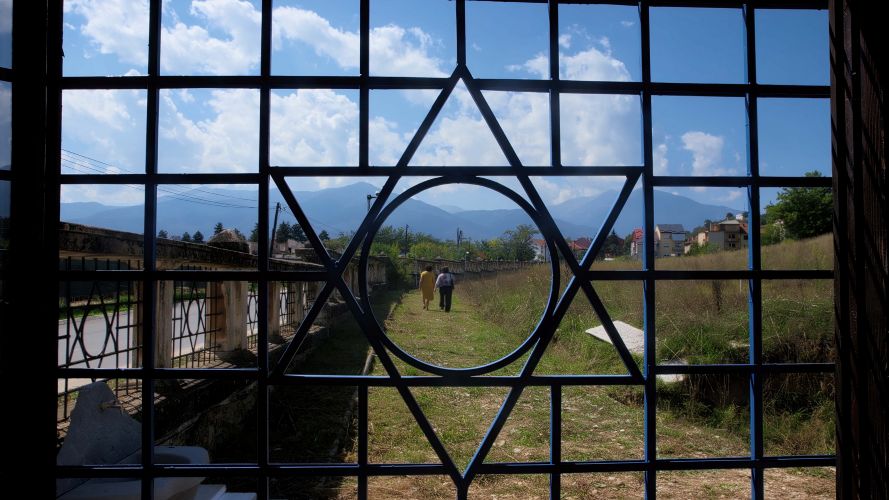
Director: Eyal Boers
A new film by Eyal Boers (Live or Die in Entebbe). Guided by Shelly-Rachel Levy-Drummer, a delegation of architecture students travels to Bitola, North Macedonia, once known as Monastir and home to a thriving Sephardic Jewish community. Over the course of a week, the students document the city’s vanishing Jewish heritage through architecture, language, and personal testimony. As past and present intersect, Rachel confronts her own family history of the Holocaust and displacement, transforming the journey into a reflection on memory, loss, and the fragile survival of cultural heritage.
Following the screening, conversation with filmmaker Eyal Boers and Shelly-Rachel Levy-Drummer.
Champions of the Desert
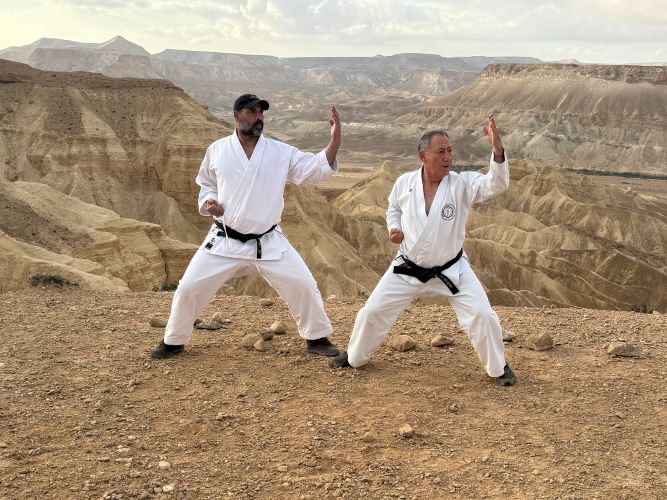
Director: Oren Rosenfeld
Karate begins with an empty hand, unarmed and open to learning. This principle brings together Danny, a Jewish Australian, and Hazem, a Bedouin living in an unrecognized village in Israel. Their friendship creates an opportunity for two communities to meet for the first time. Yet beneath this encounter lies a more difficult reality. As optimism gives way to anger among younger Bedouin and Jewish generations in Israel, karate becomes part of a larger struggle for dignity, belonging, and a shared future.
Following the screening, conversation with filmmaker Oren Rosenfeld, and participants Danny Hakim and Hazem Abu Queidar.
Detached
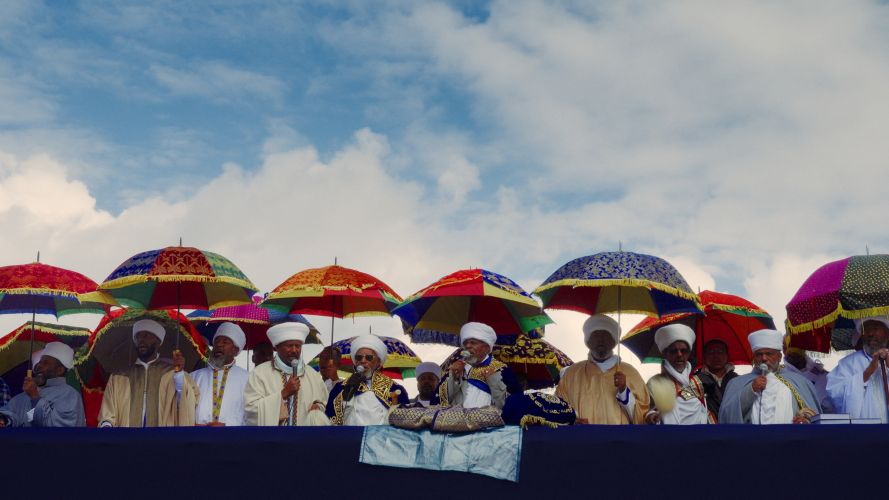
Director: Avishai Melson Tzagehun
This documentary explores the journey of Ethiopian Jews to Israel, from Operation Moses in 1984 to the present, through the voices of three generations. Addressing migration, identity, trauma, and cultural belonging, the film examines how the community’s experiences continue to shape the lives of parents and descendants. Through intimate conversations across seven families, it breaks the silence surrounding inherited trauma and cultural disconnection, revealing how younger generations are reconnecting with their Ethiopian heritage while forging a distinct Israeli identity. Created by Ethiopian filmmakers, Detached offers an authentic portrait of a community confronting its past and shaping its future.
The Long Journey Home – The Untold Story of Iraq’s Jews
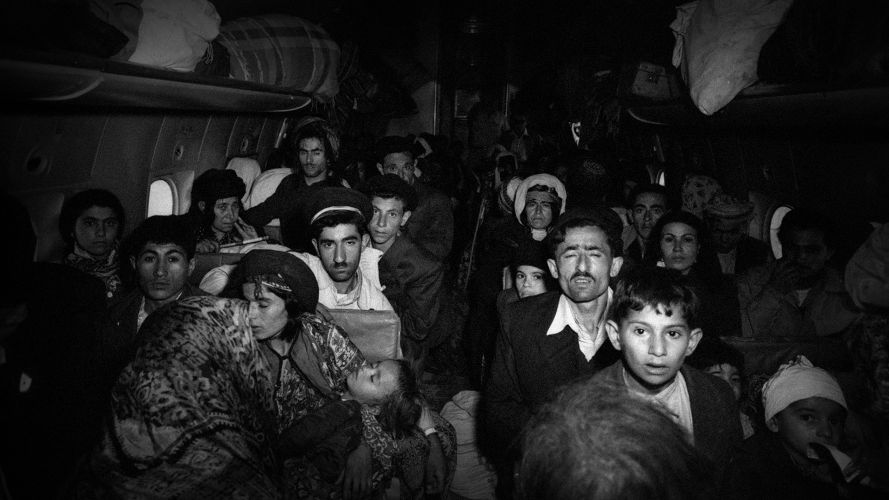
Director: David Kahtan
Tracing its roots back to the Babylonian exile, Iraq’s Jewish community was one of the world’s oldest and reached a peak population of 180,000 in the 1940s. By the 2000s, it had virtually disappeared. The Long Journey Home is a landmark documentary chronicling this dramatic rise and tragic decline. The film traces the community’s history from its Golden Age and the brutal Farhud pogrom during WWII through the mass exodus to Israel, the years spent in Israeli transit camps (Ma’abarot), and its eventual disappearance from Baghdad. Combining rare archival footage with intimate interviews, including with the director’s father, the film offers a powerful chronicle of displacement, identity, and memory.
Following the screening, conversation with filmmaker David Kahtan and Talia Levin, Maariv magazine journalist.
Whose Daughter Are You?
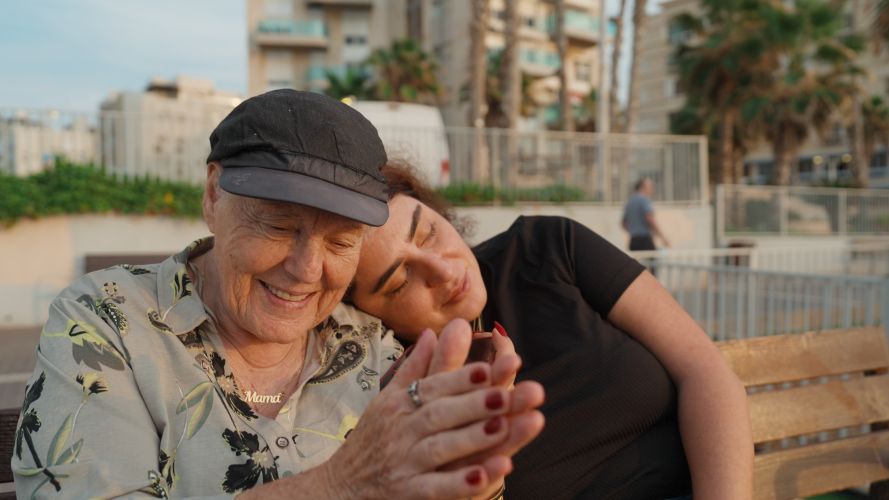
Episode 1: Mother Tongue
Directors: Keren Shayo, Efrat Shalom Danon
What do we inherit from our mothers, and what do we choose to leave behind? Whose Daughter Are You? is a documentary series that traces four generations of Mizrahi women in Israel, exploring the pain, shame, and unfulfilled dreams passed down from mother to daughter. Through intimate encounters between mothers and daughters, the series tells the stories of women who challenged the barriers of gender, ethnicity, and social class to claim the right to shape their own lives. The series also traces the history of Mizrahi feminism in Israel: the struggle of women who refused to accept the roles assigned to them, claimed their voices and their space, and worked to transform the lives of generations to come.
Following the screening, conversation with filmmakers Keren Shayo, Efrat Shalom Danon, Osnat Trabelsi.
The Beauty Queen of Jerusalem – Season 3 (Episodes 1-2)
Director: Oded Lotan
The third season of The Beauty Queen of Jerusalem unfolds against the backdrop of the 1947 UN Partition Plan, Israel’s declaration of independence, and the War of Independence. As Jerusalem becomes a battleground, the Ermoza family faces displacement, betrayal, and deepening tensions. Mercada and Avraham move back to the family home, reigniting family conflicts, while Rachelika balances her upcoming wedding with her medical work treating wounded soldiers. Meanwhile, Luna returns from London for her sister’s wedding but finds herself trapped in Jerusalem, where new relationships complicate her future plans. Through stories of love and loss, loyalty and betrayal, the third season of The Beauty Queen of Jerusalem follows the Ermoza family through one of the most turbulent periods in Jewish and Israeli history.
Following the screening, conversation with Swell Ariel Or, Hila Saada, and Itzik Cohen.
Classics
Tevye and his Seven Daughters
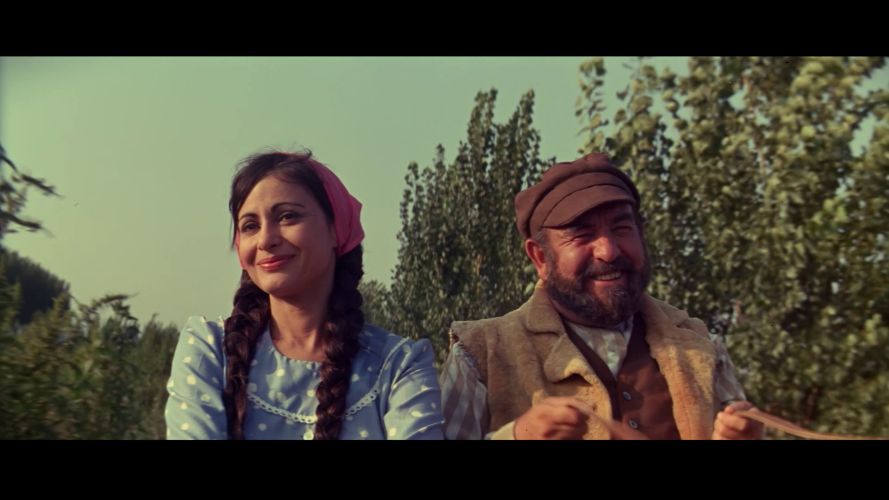
Director: Menahem Golan
Menahem Golan’s adaptation of Sholem Aleichem’s Tevye the Dairyman was a box-office success, attracting over 615,000 moviegoers. The film and was selected for the 1968 Cannes Film Festival Official Competition, although the festival was cut short by the events of May 1968 in France. Tevye, a hardworking Jewish milkman, struggles to support his wife and seven daughters while maintaining his faith and optimism through life’s hardships. As changing times challenge long-held Jewish traditions, he faces a difficult dilemma: allow his daughters to marry the men they love or uphold tradition through arranged marriages. The film explores the tension between generations, faith, and the changing social landscape of traditional Jewish life.
This digital copy was made possible through the close collaboration of the Israeli Film Archive, United King Films, CCC Filmkunst (producer Artur Brauner), the Deutsche Kinemathek, and the German Federal Archives (Bundesarchiv), which jointly facilitated the recovery, transfer, and preservation of all three language versions of the film.
Tribute to Arthur Cohn
The Garden of the Finzi-Continis
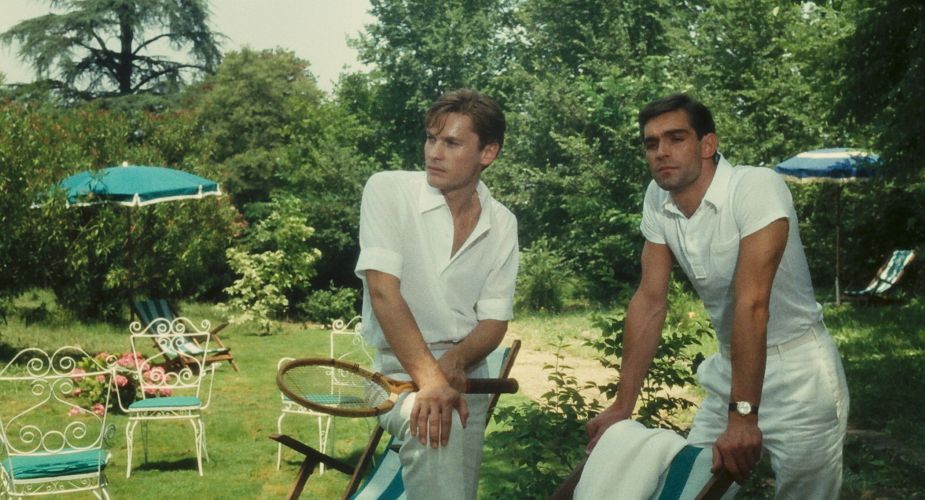
Director: Vittorio De Sica
Winner of the Academy Award for Best Foreign Language Film, directed by four-time Oscar winner Vittorio de Sica, and produced by three-time Oscar Winner Arthur Cohn, The Garden of the Finzi-Continis is a haunting story of love, youth, and loss set in Ferrara, Italy, during World War II. Giorgio, a middle-class Jewish man, longs for Micol, a beautiful and privileged young woman from the aristocratic Finzi-Contini family. As Italy’s Racial Laws bring growing persecution and social isolation, the Finzi-Continis open their secluded estate and gardens to a small circle of Jewish friends. Amid tennis, friendship, and unrequited love, they cling to a fleeting sense of normalcy, unaware that the idyllic world they have created is about to be shattered by war and history.
Arthur Cohn (1927-2025) was a Jewish film producer from Basel, Switzerland and six-time Academy Award winner. Throughout his life he was an uncompromising defender of the State of Israel. Arthur Cohn passed away a year ago on December 12th in Jerusalem. Our festival is honored to pay tribute to this legendary film producer and friend of Jerusalem.
Following the screening, conversation with film lecturer Emanuel Cohn.
Betty Boop: From New York Outsider to American Icon
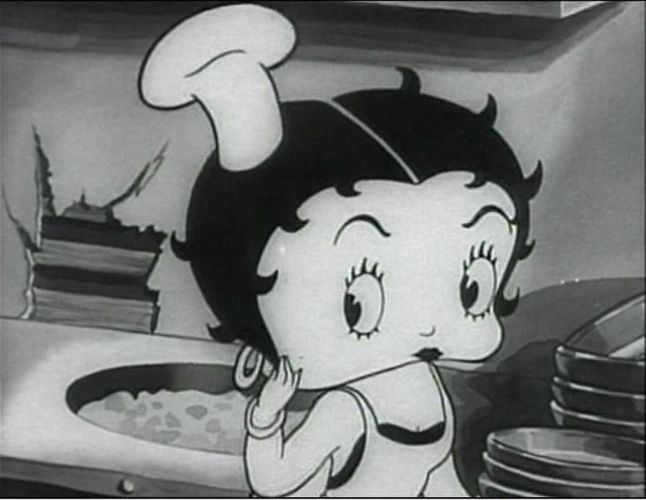
Director: Dave Fleischer
The cartoons of Dave and Max Fleischer captured New York’s distinctive melting-pot culture through jazz, ethnic accents, urban energy, and elements of their Jewish immigrant background. Betty Boop emerged as their most enduring creation, combining independence, confidence, sexuality, and a mischievous spirit. Across the selected films, she develops from an unconventional, almost outsider figure into a glamorous, fully realized star, and one of the most enduring heroines in cartoon history. Together, the films trace Betty’s transformation from an anarchic outsider into a mainstream Hollywood-style icon, reflecting the broader process of assimilation within American popular culture.
Introductory lecture by Gilat Parag, animation filmmaker and curator, and lecturer at Sapir Academic College. When it comes to the Fleischer vs. Disney debate, she’s always on the Fleischers’ side!
Marjorie Morningstar
Director: Irving Rapper
Based on Herman Wouk’s bestselling 1955 novel, Marjorie Morningstar (1958) stars Natalie Wood as a young Jewish woman torn between family expectations and her dreams of an acting career. She falls for Noel Airman (Gene Kelly), an older, bohemian playwright and songwriter whose artistic ambitions and rejection of tradition clash with her family’s conventional values. As their turbulent romance unfolds, Marjorie confronts the gap between romantic idealism and reality, ultimately choosing independence over a relationship that cannot fulfill her dreams. Blending romance and coming-of-age drama, the film explores the tensions between tradition, artistic freedom, and the changing social values of its era.
Special Screenings and Events
Closing Event – In the Presence of Actor Michael Rapaport and Director Ruth Berdah-Canet
Am I Cancelled Yet? A Documentary with Michael Rapaport
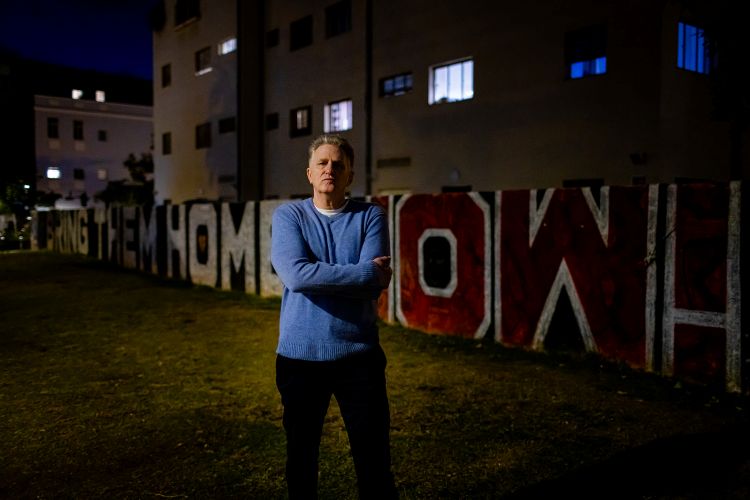
Director: Ruth Berdah-Canet
Since October 7, 2023, Michael Rapaport has been on an emotional rollercoaster, reconnecting with his Jewish identity while facing backlash for his outspoken support of Israel. Am I Cancelled Yet? blends outrageous comedy with heartbreaking reality, following Rapaport as he visits the sites of the October 7 massacres, meets survivors and hostage families, and confronts the personal and professional consequences of speaking out. Moving between laughter and grief, bravado and vulnerability, this funny, raw, and deeply human documentary asks one question: What happens when shutting up is NOT an option?
The closing event will take place on Thursday, December 10, 2026, at 20:30 at the Jerusalem Cinematheque. To be followed by a discussion with Michael Rapaport and the film’s director, Ruth Berdah-Canet. Moderated by Ben Ben Baruch stand-up comedian and podcaster.
The Last Seven Months of Anne Frank

Director: Willy Lindwer
Everyone knows Anne Frank’s story and the remarkable diary she wrote while hiding in Amsterdam’s Secret Annex. Far fewer know how her story ended. The Last Seven Months of Anne Frank tells the stories of seven women whose lives intersected with Anne during her final months. They recount the harrowing journey to Auschwitz, the terror and deprivation of the concentration camps, and the friendships and courage that endured amid unimaginable conditions. Anne’s story did not end with the last words of her diary. It ended in Bergen-Belsen, where she died alone on a filthy floor. These seven women survived to bear witness to the final chapter of her life and carried its memory for the rest of theirs. Winner of the Best International Documentary award at the 1988 Emmy Awards; the accompanying book was published in numerous languages.
Following the screening, conversation with filmmaker Willy Lindwer.
The Matrix
Directors: Lilly Wachowski, Lana Wachowski
Neo is a computer programmer and hacker who questions the reality of the world around him. After being contacted by Trinity, a mysterious stranger, Neo meets Morpheus, an elusive rebel leader who reveals the shocking truth: humanity is unknowingly enslaved within an elaborate simulated reality controlled by a powerful artificial intelligence. Joining Morpheus and a group of underground insurgents, Neo embarks on a dangerous fight against intelligent and ruthless agents determined to preserve the illusion. Blending philosophical questions with groundbreaking special effects, The Matrix became a cultural phenomenon whose influence extends far beyond cinema, inspiring extensive academic analysis, books, and ongoing discussions about technology and the nature of human existence.
Introductory Lecture: Roni Ayalon Hirsch, teacher and specialist in Chinese medicine, mohel, and lecturer in Hasidic thought and Kabbalah. He is the founder and director of the first Kiruv center in Tel Aviv. He is also the author of Amtrex – Cracking the Matrix Code According to Jewish Mysticism and Kabbalah, a website exploring the hidden dimensions of Jewish spirituality.
Black and Jewish America: An Interwoven History
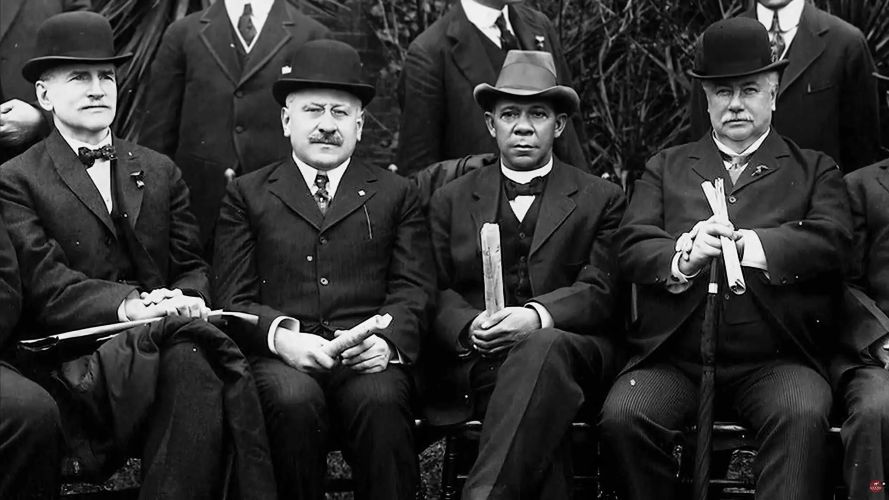
Directors: Julia Marchesi, Sara Wolitzky, Phil Bertelsen
Black and Jewish America: An Interwoven History is a four-part series tracing the rich, complex relationship between Black and Jewish Americans, a relationship defined by solidarity and strained by division. Brought together by racism and antisemitism, the two communities forged civic and cultural bonds, particularly during the civil rights era. The series explores both the challenges and enduring promise of this alliance, tracing how Black and Jewish Americans began from fundamentally different positions in American society but, by the early 20th century, were increasingly connected by shared experiences of entrenched racism, rising hatred, and the denial of basic rights.
A Station in Time | A New Exhibition at the Jerusalem Cinematheque
From the inauguration of the railway line to Jerusalem in 1892 to today’s Yitzhak Navon Station, public transportation has been an integral part of Israeli life. A Station in Time explores its evolution through cinema and visual art, examining how travel has changed and what remains familiar. The exhibition brings together archival film excerpts and photographs from the Israel Film Archive, alongside contemporary artworks. Featuring buses, trains, stations, and passengers, it traces the everyday journey, from waiting and boarding to arrival, while reflecting on shared experiences of anticipation, crowded spaces, and fleeting encounters. Together, these works offer a visual portrait of public transportation and its place in Israeli society, past and present.
Accompanying the exhibition is Mass Transit: Public Transportation in Israel Through the Archival Lens, an anthology edited by Yossi Saidov, a leading advocate for public transportation and pedestrian infrastructure. The publication, along with all the exhibition’s visual materials, is available on the Jerusalem Cinematheque’s Israel Film Archive website.
A Station in Time | Guided Tour and Gallery Talk
A special event held as part of the Jerusalem Jewish Film Festival and the exhibition A Station in Time, featuring a guided tour led by exhibition curator Maya Lebel, followed by a conversation with Lebel and Yossi Saidov, journalist, public transit advocate, and editor of the accompanying anthology Mass Transit: Public Transportation in Israel Through the Archival Lens.
During the session, we will discuss the curatorial process of working with archival materials and explore how cinema, newsreels, and historical documentation shed light on the evolution of public transportation in Israel. We will examine what images and stories from the past reveal about our present reality, and consider what the future of public transit in Israel might hold. The conversation will also address the intricate connections between transportation, urban space, and our daily lives. Moderated by Einat Golan, filmmaker and Director of the Israel Film Archive website.
Samson et Dalila – The Metropolitan Opera Live on HD
Music by Camille Saint-Saëns | Libretto by Ferdinand Lemaire
Saint-Saëns’s spectacular take on the biblical hero of legendary strength and the seductive Philistine whose beauty overpowers him returns in the Met’s larger-than-life production. Featuring a massive orchestra and chorus and some of opera’s most spellbinding tunes, this masterpiece is a feast for the eyes and ears. Giacomo Sagripanti conducts an electrifying cast led by the formidable star pairing of mezzo-soprano Aigul Akhmetshina and tenor Clay Hilley, transmitted live to cinemas worldwide.
Cinematic Variations on Live Classical Music
Gustav Mahler – From Vienna to New York and Back
Gustav Mahler’s journey to the New World to become the conductor of the New York Philharmonic.
Speaker (in Heb.): Prof. Michael Wolpe
Concert by: Prof. Ido Ariel piano, Yair Polishook baritone
In the Program: Lieder eines fahrenden Gesellen, Das irdische Leben, Frühlingsmorgen, Scheiden und Meiden
Mahler in New York
Director: Hilan Warshaw
Gustav Mahler arrived in New York in 1907, seeking a new spiritual home after experiencing antisemitism and personal turmoil. During his four years in the city, he conducted at the Metropolitan Opera and the New York Philharmonic and composed his final two symphonies. Drawing on letters by Mahler and his wife, Alma, the film explores this turbulent period, marked by professional setbacks, declining health, and a troubled marriage. Accompanied by Mahler’s magnificent music, it offers an intimate portrait of the Austrian-Jewish composer’s final years, culminating in his return to Vienna, where he died in 1911.
Jerusalem Cinematheque CEO: Roni Mahadav-Levin; Artistic Director of the Jerusalem Jewish Film Festival: Daniella Tourgeman Glass.