As he recalls shooting Howard Hugh’s (Leonardo DiCaprio) plane bursting into flames in The Aviator (2004), cinematographer Robert Richardson muses, “I lost a little bit of my eyebrow.” For the legendary cinematographer, winner of three Academy Awards, taking risks is part of the job. Jana Hojdová’s documentary Robert Richardson: The White Devil, screened at the Jerusalem International Film Festival, is a vivid portrait of the man and his work, which are inseparable, for Richardson, “life is making films.” Replete with scenes from his work over a 40-year career, and interviews with Richardson’s close collaborators – Oliver Stone, Martin Scorsese, and Quentin Tarantino – the documentary is a cinephile’s delight. But it is just as compelling for the non-specialist as it places its emphasis on Richardson as an individual rather than the technical aspects of cinematography.
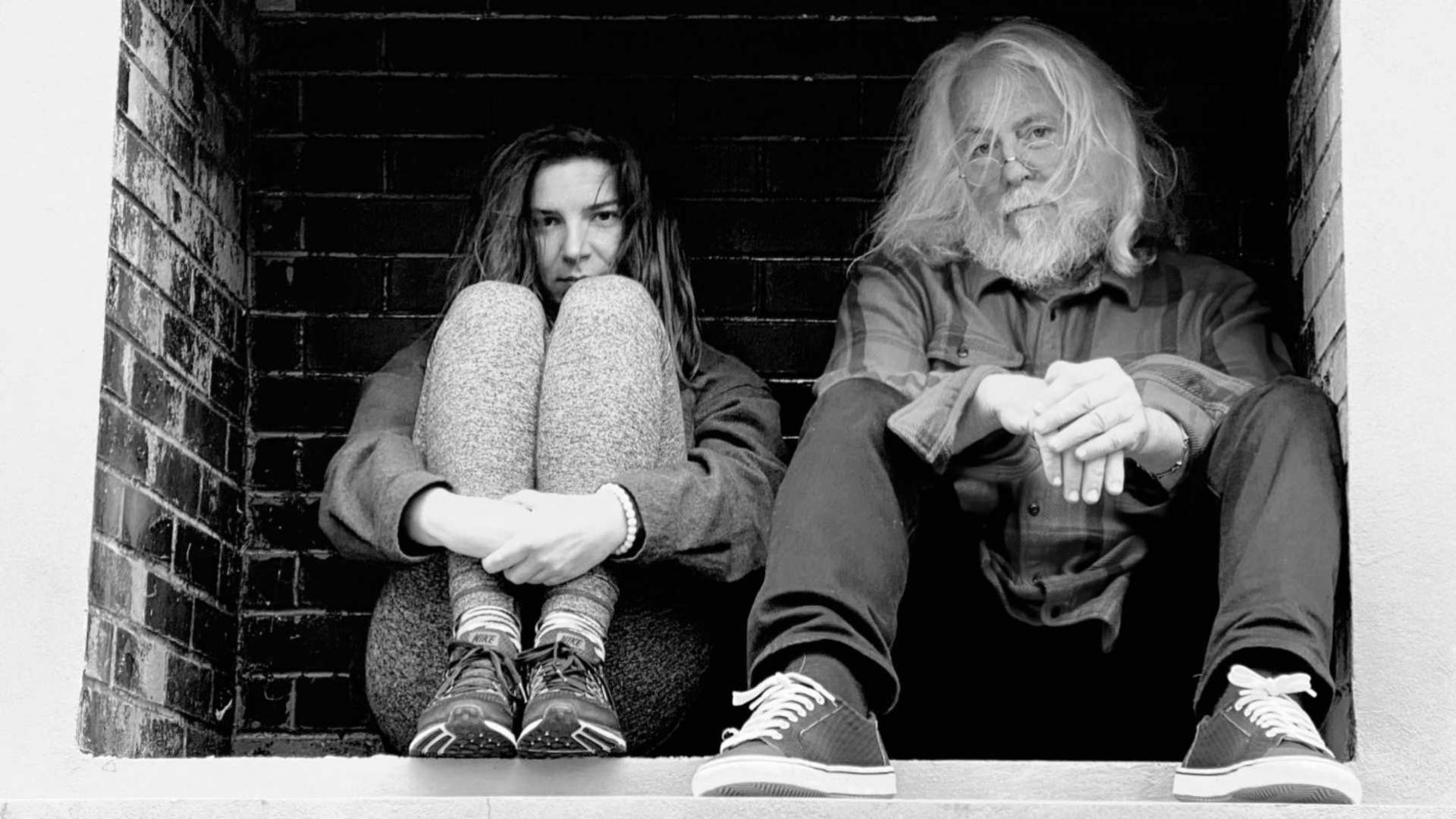
Richardson is very open and honest in talking about his life, sharing the difficult aspects and what he views as his own failures, as well as the details of his spectacular career. Interviews with Oliver Stone, Martin Scorsese and Quentin Tarantino are one of the film’s highlights, reflecting on the relationship between director and cinematographer, candidly describing the tensions that occurred in the process of their work, as well as the admiration they have for Richardson. There is a unique aspect to the film, in which the director Hojdová appears as well, because the two spent three months of COVID lockdown together at Richardson’s Cape Cod home, with Hojdová filming with her phone, and Richardson filming her as well. There is an almost familial atmosphere to some of these Cape Cod scenes, as the two converse and sometimes disagree, as when Hojdová says, “We will do it in a close up,” and Richardson responds: “No.” Richardson’s home movies complete the portrait of the cinematographer as husband and father. Yet, as he readily admits, “I’m deeply addicted to work.”
Richardson first became interested in film in college, when he attended a film festival dedicated to Ingmar Bergman’s films, that he says, “changed my life.” In a conversation that took place after the screening of the film at the festival, Hojdová told the audience that she first became interested in Richardson’s work after seeing Natural Born Killers (1994). Hojdová, at the time a cinematography student (she is a graduate of Prague’s FAMU film school) wrote to Richardson, not knowing if the famous cinematographer would respond, and received a long and detailed answer from him, which then led to their correspondence, and eventually to the making of the documentary. Although his career is based on feature films, Robert Richardson: The White Devil reveals an affinity for documentation. In addition to the many home movies, Richardson’s basement is full of photo albums, storyboards, and detailed diaries that he kept while making the movies that have made him famous. Although his career has been made behind the camera, Richardson is a fascinating protagonist in his own story.
There will be two additional screenings of Robert Richardson: The White Devil at the Jerusalem International Film Festival: Friday, July 17th at 15:00, and Saturday, July 18th at 19:15. Tickets may be ordered via the festival website.